

.png)
For many women in healthcare, balancing the demands of clinical work with family life isn’t just difficult, it’s an emotional high-wire act. Between long hours, shift work, and sleepless nights, there’s a constant tug-of-war between being a caregiver at work and at home.
Recently, Marvin hosted a group of female clinicians who came together to talk candidly about what it means to hold multiple roles. They shared the guilt, the boundaries, the burnout, and the ways they’re creating support and meaning amid it all.
Below are the most powerful takeaways from their stories.
Presence over perfection
The panel kept returning to a single, grounding theme: Being present is more powerful than being perfect.
For many of the panelists, the real goal isn’t achieving some ideal split between work and home. It’s about prioritizing showing up fully wherever you are.
As Dr. Micah Saste put it: “I’m just one soul. I don’t want to live a fragmented life.”
The panelists agreed that trying to mentally multitask across work and home only compounded their stress. Instead, they shared practical techniques to anchor yourself in the moment, like pausing in the car before a shift, taking a moment for quick breathing exercises between patients, or mentally envisioning your charts closing shut before walking out the door at night.
Our panelists encouraged all women on the call to give themselves permission to say: “I’m here now. This is where I belong.”
Guilt vs. shame: Know the difference
One powerful reframe stood out:
- Guilt says, “This moment isn’t aligned with my values.”
- Shame says, “I’m not enough.”
Dr. Melanie Wolf offered a take for her that stuck:
“Guilt is when something’s out of alignment with your values. Shame is when you feel like you’re not enough.”
Healthcare culture can repeatedly blur the line between guilt and shame. When excellence is expected, and vulnerability is hidden, it’s easy to internalize shame. But no one can be everything to everyone.
If the panel was unanimous about one thing here, it was that you can't be the perfect clinician, perfect parent, and perfect partner all at once. You can only bring your real self, what one panelist called your “glowing kernel,” to each of those roles.
Saying no is hard. Do it anyway.
The “how do I set boundaries?” question came up more than once. One insight a panelist shared was that life doesn’t unfold neatly, but rather in seasons:
- A season of having a newborn
- A season of 90-hour weeks
- A season of caregiving or grief
- A season of career growth
Sometimes, the most protective thing you can do is to say no. Saying no to evening events, early meetings, or yet another “optional” leadership opportunity is rarely easy, especially in systems that reward visibility.
One panelist’s favorite script for these scenarios?
“That won’t work for me.” And then stop talking.
No over-explaining, just a boundary that makes room for what matters most right now.
And as Dr. Wolf points out, as your season changes, that same “no” can become a “yes” in the future.
Build your village
Many attendees asked: How do I find help when I don’t have family close by?
Wendy Renedo, a nurse and mother of three, told a story that resonated. In a moment of panic at daycare drop-off, she burst into tears. In response, her daycare provider offered to come to her home to help. That turned into a friendship and a lifeline.
The panel’s feedback here was clear: you build your village. That can look like:
- Teachers and daycare staff
- Colleagues who “get it”
- Parents from school
- Spiritual communities
- NICU nurses who go above and beyond
- Online groups for caregivers of neurodiverse kids, like Bright and Quirky
Vulnerability lets people in. Ask for help before the crisis hits.
Reclaiming meaning in clinical work
When burnout looms, reconnecting with the human side of work can make the difference.
One panelist shared how asking patients simple questions like “Where are you from?” or “What brings you joy?” shifted her entire day. It turned tasks into connection, and connection into purpose.
Small recognition rituals, big impact
Healthcare doesn’t always celebrate you. So you need to create your own moments of gratitude.
Ideas from the panel:
- Bedtime gratitude lists
- Sharing “wins” with your partner from work, or from home with your team
- A dinner table ritual: Rose (best part), Bud (what you’re looking forward to), Thorn (what was hard)
- Reconnecting with your “why”: a patient, a story, or a moment that reminds you why you chose this path
These aren’t solutions. But they help soften the hard days and magnify the meaningful ones.
Final thought: You are not the problem
You are not failing because you feel stretched thin. You are working in a system that demands too much, and you’re still showing up with integrity and heart.
You are enough.
Your work matters.
And your life deserves care, connection, and space to breathe.
Looking for more from Marvin?
To watch the webinar recording, head to https://www.youtube.com/watch?v=Yg_lg3IweJo.
If you’d like to continue the conversation with a Marvin therapist, log in or sign up.
Meet the presenters

Wendy Renedo, RN
Wendy is a registered nurse and serves as the Manager of Well-Being and Resiliency for Novant Health, where she leads wellness initiatives across the system. She brings deep expertise in culture transformation and is a driving force behind creating a healthier, more supportive environment for healthcare workers.
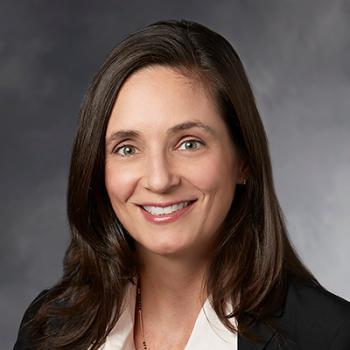
Dr. Micah Saste, MD
Micah is a surgeon based in San Jose, California. Dr Saste spends much of her time devoted to elevating physician wellness, which is essential not just for her colleagues but for the health of the entire system.
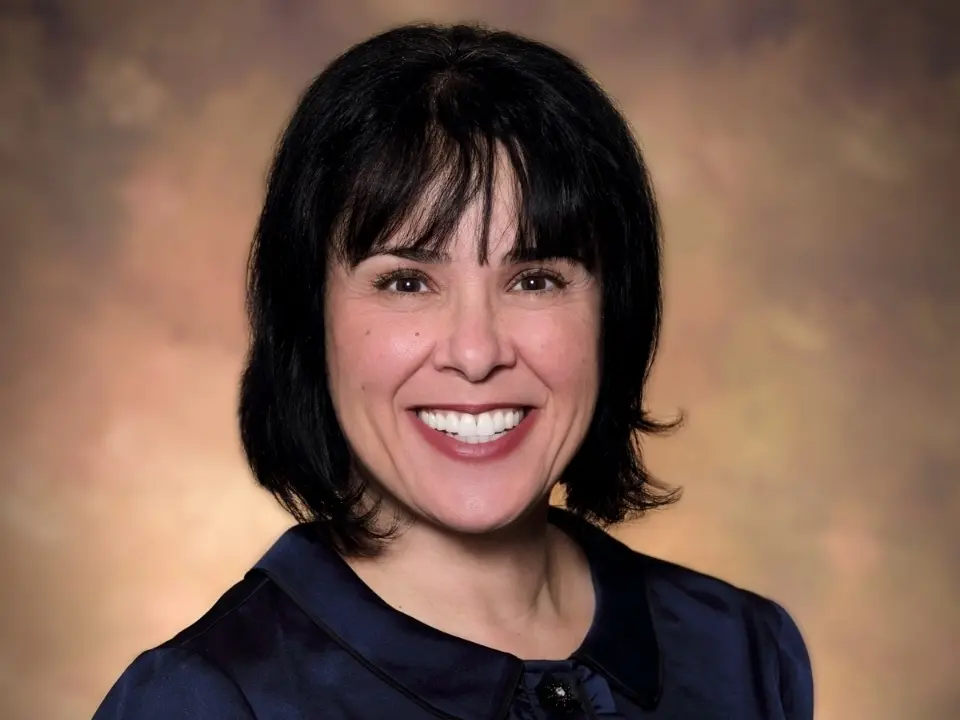
Dr. Melanie Wolf, DO
Melanie is the Chief Medical Officer at Providence Mission Hospital in California. She has been instrumental in helping her organization see that physician wellbeing is not just about individual resilience but also about systemic supports (e.g., mental health access, peer support)
Hosted by:
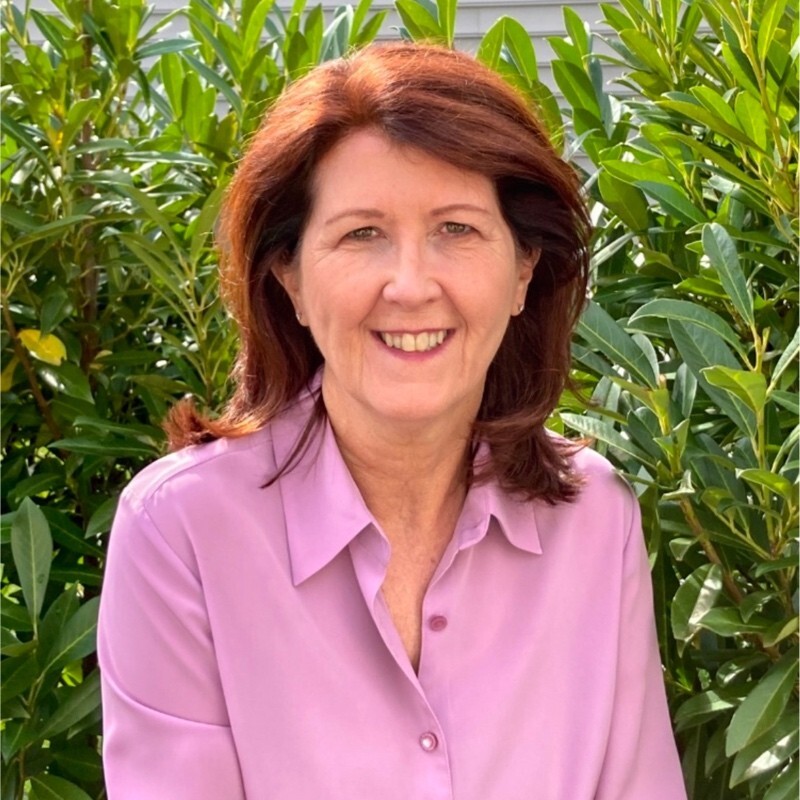
Jacinta Harman, MSW, LCSW
Jacinta is a master's-level licensed clinical social worker with over 20 years of experience in mental health and recovery. Since November 2021, she has served as the Vice President of Clinical Services at Marvin, where she oversees the clinician team, develops clinical policies, and drives program innovation to enhance care delivery.


