

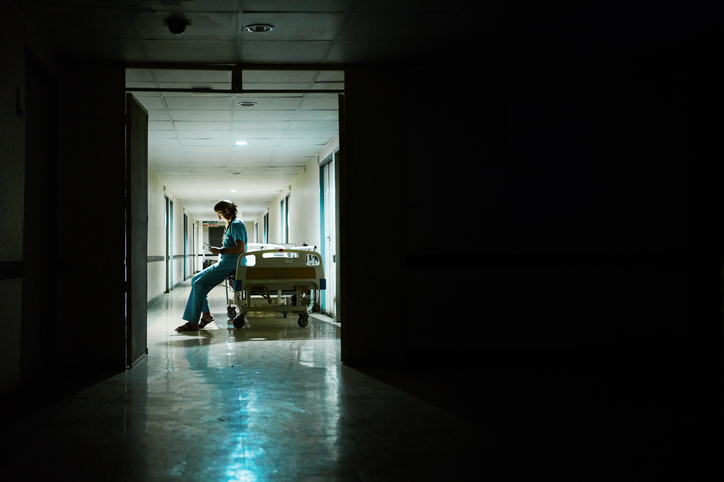
Night-shift hospital staff carry a particular kind of weight. The patients they care for, the decisions they make under fluorescent lights while the rest of the world sleeps, and the emotional residue that follows them home at 7 a.m.—all of this accumulates in ways that can be difficult to name. Compassion fatigue counseling offers a pathway to address that accumulation, though many night-shift workers face unique barriers to accessing the support they need.
This guide covers what compassion fatigue looks like for night-shift staff, the signs that signal the need for support, and the counseling options that work around the realities of shift-based schedules. The goal is not to offer generic wellness advice but to surface the specific challenges night-shift clinicians face and the concrete pathways to confidential, trauma-informed care.
Key Takeaways: Compassion Fatigue Counseling for Night Shift Staff
- Compassion fatigue combines burnout and secondary traumatic stress, affecting night-shift workers who absorb patient suffering during isolated hours.
- Symptoms include cognitive overload, emotional numbness, sleep disruption, and difficulty finding meaning in clinical work.
- Night-shift schedules create access barriers, making telehealth counseling available during evenings and weekends essential.
- Marvin Behavioral Health connects healthcare workers with therapists who understand clinical life and offer sessions outside traditional hours.
- Confidentiality protections ensure employers cannot access counseling records or know when staff members use services.
What Is Compassion Fatigue in Healthcare Workers?
Compassion fatigue is not a single condition but a combination of two distinct experiences: burnout and secondary traumatic stress. Burnout develops over time from sustained workplace demands, while secondary traumatic stress can emerge suddenly from repeated exposure to patients' trauma. For night-shift staff, both elements tend to intensify in the quiet hours when support systems thin out and the emotional weight of clinical work sits heavier.
The Substance Abuse and Mental Health Services Administration (SAMHSA) describes compassion fatigue as including feelings of helplessness, exhaustion, disorientation, and irritability. Physical symptoms such as headaches, muscle tension, and difficulty falling asleep often accompany these emotional experiences. When these signs persist for more than two weeks or affect quality of life, professional support becomes necessary.
Healthcare workers are trained to triage, and over time, many start doing that to themselves. You may compare your own distress to the suffering around you, then decide you should wait longer, tough it out, or be grateful it is not worse. That belief deserves to be gently challenged. If something is affecting your quality of life, your sleep, or how you feel at work, that is enough.
Why Night Shift Staff Face Higher Risks
Night-shift work disrupts circadian rhythms, which affects far more than sleep. Research published in Frontiers in Public Health in 2025 found that circadian rhythm disruption combined with shift work demands significantly shapes both sleep quality and depressive symptoms in nurses. The biological toll of working against your body's natural clock creates a foundation of vulnerability that compassion fatigue builds upon.
Night-shift staff also work during periods of reduced staffing and supervision. Decisions made at 3 a.m. can feel more isolated, and the emotional aftermath of difficult patient interactions has fewer outlets. The colleagues who might offer support during day shifts are not present, and the typical mental health resources assume availability during business hours.
The U.S. Surgeon General's advisory on healthcare worker burnout estimated that annual burnout-related turnover costs reach $9 billion for nurses and over $6.3 billion for physicians. These numbers reflect the systemic nature of the challenge, but for individual night-shift workers, the concern is more immediate: finding support that fits into a schedule that traditional mental health services were not designed to accommodate.
Recognizing the Signs of Compassion Fatigue
Compassion fatigue often develops gradually, which can make it difficult to recognize until it significantly affects daily functioning. The CDC describes symptoms of work-related stress that overlap with compassion fatigue: trouble concentrating, trouble sleeping, feeling sad or depressed, feeling tired or burned out, lacking motivation, and feeling helpless or anxious.
For night-shift staff, certain patterns tend to surface more consistently. Emotional numbness toward patients represents one of the clearer signals. What once felt like meaningful connection can start to feel like going through the motions. This protective detachment serves a function in the short term but becomes concerning when it persists.
Physical symptoms often appear before emotional ones receive attention. Chronic fatigue that does not improve with sleep, headaches that coincide with certain shifts, and digestive issues that flare during work periods all warrant examination. Night-shift workers sometimes attribute these symptoms entirely to schedule disruption, missing the emotional component that amplifies them.
Behavioral Changes to Notice
Increased isolation from colleagues and loved ones frequently accompanies compassion fatigue. You may find yourself declining invitations, avoiding conversations about work, or feeling disconnected even when surrounded by people who care about you. These withdrawal patterns often emerge as protective mechanisms that eventually become barriers to the support you need.
Changes in professional engagement also signal developing compassion fatigue. Reduced empathy toward patients, cynicism about the healthcare system, and a sense that your work no longer matters can indicate that the emotional demands of clinical work have exceeded your current capacity to process them. Marvin therapists work with healthcare workers to recognize these patterns early and develop strategies before they progress.
Barriers to Counseling for Night Shift Workers
Traditional mental health services operate on schedules that assume standard working hours. For someone finishing a twelve-hour overnight shift at 7 a.m., the prospect of a 10 a.m. therapy appointment feels impossible. Sleep deprivation compounds the challenge. Many night-shift workers describe a perpetual state of schedule conflict where personal needs consistently lose to work demands.
Confidentiality concerns present another significant barrier. Healthcare workers worry about professional consequences if their employers learn they are seeking mental health support. Licensing implications, career advancement concerns, and stigma within healthcare culture all contribute to hesitation around accessing counseling.
Financial uncertainty adds complexity. Questions about insurance coverage, copays, and out-of-pocket costs create friction that discourages initial steps toward care. When you are already exhausted from working overnight, navigating insurance systems feels like an additional burden that tips the balance toward inaction.
What Effective Compassion Fatigue Counseling Looks Like
Counseling for compassion fatigue differs from general mental health treatment in several important ways. Effective approaches recognize that healthcare workers bring specific patterns into the therapeutic relationship. They often intellectualize their feelings, staying in their head and analyzing emotions rather than experiencing them. They minimize their own distress. They take on caretaking roles even in spaces designed for their own support.
A first counseling session does not need to accomplish everything. It is supposed to be a beginning, not a breakthrough. Therapists who understand healthcare workers know that people in this field often arrive carrying concerns about confidentiality, fears about being judged, and uncertainty about whether their struggles warrant professional attention. Addressing these concerns directly, rather than avoiding them, creates the foundation for meaningful work.
Marvin Behavioral Health matches healthcare workers with licensed therapists who have an average of 15 years of experience supporting clinicians. These therapists complete specialized training in healthcare worker well-being and understand the specific dynamics of clinical work. They do not require explanations of what a twelve-hour shift feels like or why certain patient interactions carry lasting weight.
Trauma-Informed Approaches
Trauma-informed counseling acknowledges the impact of repeated exposure to suffering without pathologizing the response. Healthcare workers witness pain, loss, and death as part of their professional lives. The emotional residue from these experiences deserves attention without being treated as abnormal or excessive.
Effective therapists help night-shift staff develop practical tools for emotional recovery after difficult shifts. These strategies must account for the reality that debriefing at 7 a.m. looks different than processing an experience during standard hours. Sleep timing, social support availability, and physical state all factor into how night-shift workers can engage with their emotional experiences.
Accessing Confidential Support as a Night Shift Worker
Confidentiality concerns rank among the most common questions therapists hear from healthcare workers. The fear that an employer might access records or learn about counseling use stops many clinicians from seeking support. This concern deserves direct address rather than dismissal.
Marvin operates with complete confidentiality protections. Employers have no access to records of any kind and do not know when a person uses Marvin services. The platform is HIPAA-compliant and uses end-to-end encryption. Insurance billing processes maintain privacy, and no information returns to employers about individual usage.
For night-shift workers specifically, telehealth counseling removes the logistical barrier of traveling to appointments. Sessions available during evenings and weekends accommodate the reality of shift-based schedules. Baystate Health found that 76% of Marvin sessions occurred outside traditional 9-to-5 hours, reflecting how schedule flexibility affects actual utilization of mental health support.
Building Resilience Through Ongoing Support
Compassion fatigue counseling works best as ongoing support rather than crisis intervention. Regular sessions allow for developing coping strategies before symptoms escalate, processing difficult experiences in a timely manner, and building resilience that prevents accumulation of emotional weight over time.
The CDC emphasizes that changing workplace policies represents the most effective approach to addressing healthcare worker mental health at the systemic level. However, individual workers cannot wait for institutional change while carrying the weight of their current experiences. Counseling offers immediate support while larger systems evolve.
SAMHSA recommends focusing on four core components of resilience: adequate sleep, healthy eating, regular physical activity, and active relaxation. For night-shift workers, each of these areas faces unique challenges. Counseling can address the emotional barriers that prevent implementing these strategies when schedule disruption complicates even basic self-care.
What to Expect in the First Session
People often imagine a first counseling session as formal or intimidating. The reality is typically much more human. Therapists introduce themselves, explain confidentiality protections, and ask open-ended questions about what brought you to seek support. There is no requirement to have your thoughts organized or to articulate everything perfectly.
Healthcare workers sometimes bring the expectation that they should already understand their emotions clearly because of their clinical training. This assumption creates unnecessary pressure. Therapists working with clinicians recognize that expertise in treating patients does not translate to expertise in processing your own experiences. The skills are different, and needing support is not a failure of clinical knowledge.
Specialized Programs for Healthcare Workers
Beyond individual therapy, some platforms offer additional resources designed specifically for healthcare workers. Marvin offers workshops, AI coaching, and group programming that address systemic drivers of burnout. These stepped-care options allow workers to engage at different levels depending on their needs and preferences.
Critical incident support deserves particular attention for night-shift staff. Workplace violence, patient deaths, and other potentially traumatic incidents often occur during overnight hours when immediate support resources are limited. Caring After Crisis programs offer tailored short-term behavioral health support following these events.
The CDC's Impact Wellbeing resources encourage healthcare workers to normalize conversations about burnout and mental health with colleagues. Peer support does not replace professional counseling but creates an environment where seeking help feels less isolating. Checking in with colleagues using questions like "How are you doing, really?" can open doors to meaningful support conversations.
Addressing Sleep Disruption and Cognitive Overload
Sleep disruption affects night-shift workers at multiple levels. Circadian misalignment impairs mood regulation, memory consolidation, and emotional processing. These effects compound the psychological demands of clinical work, creating a cycle where poor sleep worsens emotional symptoms and emotional distress further disrupts sleep.
Cognitive behavioral therapy for insomnia has demonstrated effectiveness for shift workers with sleep disorders. A 2025 randomized controlled trial found that digital cognitive behavioral therapy significantly improved sleep outcomes for nurses with shift work sleep disorder. Counselors familiar with night-shift work can integrate these approaches into broader compassion fatigue treatment.
Cognitive overload describes the mental state that develops from sustained high-demand work without adequate recovery. Night-shift staff often transition directly from intense clinical responsibilities to family and personal obligations, leaving insufficient time for mental rest. Therapy helps identify patterns contributing to overload and develop boundaries that protect recovery time.
Finding the Right Therapist Fit
Therapist fit significantly affects counseling outcomes. Research consistently shows that the therapeutic relationship matters more than specific treatment approaches for most mental health concerns. For healthcare workers, fit often hinges on whether the therapist understands clinical work without requiring extensive explanation.
Marvin's matching process considers both practical factors like schedule and specialization preferences along with personal factors like demographic preferences and therapeutic goals. Members can request a different therapist if the initial match does not feel right. The goal is finding someone you can work with effectively, not forcing a relationship that creates additional burden.
Questions worth considering when evaluating therapist fit include whether you feel heard without judgment, whether the therapist's suggestions feel practical given your schedule and circumstances, and whether sessions leave you feeling understood rather than misunderstood. Trust develops over time, but initial impressions of safety and competence matter.
Taking the First Step Toward Support
The decision to seek counseling often comes after extended periods of coping independently. Healthcare workers in particular tend to delay seeking help until symptoms significantly affect functioning. This pattern reflects training and culture rather than personal weakness.
You do not need a crisis to deserve support. If something is affecting your quality of life, your relationships, or how you feel about your work, that is enough. The expectation that you should wait until things get worse before seeking help deserves to be challenged directly.
For night-shift staff, the practical first step involves identifying a counseling option that accommodates your schedule. Telehealth platforms offering evening and weekend availability remove the most significant barrier. Verifying insurance coverage and understanding any costs upfront reduces friction that might otherwise delay action.
In Conclusion: Supporting Night Shift Staff Through Compassion Fatigue
What this guide surfaces, taken together, is not a prescription for dramatic change but something quieter and more practical than that. Night-shift hospital staff face specific challenges in accessing mental health support, and those challenges deserve specific solutions. Compassion fatigue counseling that accommodates shift schedules, protects confidentiality completely, and is delivered by therapists who understand clinical work creates meaningful pathways to support.
For night-shift workers, the most important message may be this: awareness is rarely the problem. You already know what strain feels like. What you need is a place where you do not have to minimize it, justify it, or carry it alone.
FAQs About Compassion Fatigue Counseling for Night Shift Staff
What is the difference between compassion fatigue and burnout?
Compassion fatigue includes both burnout and secondary traumatic stress. Burnout develops gradually from workplace demands, while secondary traumatic stress emerges from absorbing patients' trauma. Night-shift healthcare workers often experience both elements simultaneously, which is why specialized counseling addresses the full spectrum of symptoms.
Can my employer find out if I use counseling services?
Marvin Behavioral Health maintains complete confidentiality. Employers have no access to records and cannot know when staff members use services. The platform uses HIPAA-compliant, end-to-end encryption. This protection allows healthcare workers to seek support without concern about professional consequences.
How do I access therapy when I work overnight shifts?
Telehealth counseling with evening and weekend availability accommodates night-shift schedules. Marvin therapists are available seven days per week, and 76% of sessions occur outside traditional business hours. This flexibility means you can schedule sessions around your sleep and work patterns rather than forcing your schedule around rigid appointment times.
What happens in the first counseling session?
First sessions typically involve introductions, confidentiality explanations, and open-ended questions about what brought you to seek support. You do not need to have your thoughts organized perfectly. Marvin therapists understand healthcare workers often arrive with concerns about being judged and address these directly from the start.
How long does it take to see improvement with counseling?
Many Marvin members report feeling heard and understood after their first session, with 96% experiencing this initial connection. Symptom improvement typically develops over multiple sessions as coping strategies take effect. The timeline varies based on individual circumstances, but consistent engagement produces meaningful results for most healthcare workers.
Is compassion fatigue counseling covered by insurance?
Marvin partners with 99% of commercial health plans across the nation, making counseling affordable for most healthcare workers. Sessions are billed in-network, often requiring only copay costs. The platform verifies coverage before your first session so you understand any financial responsibility upfront.


